Freelancers are brought in to make an impact. They offer fresh perspective, specialist skills, and the ability to move quickly when it matters most.
When they’re set up well, they do exactly that but, like any new addition to a team, freelancers still need the right conditions to do their best work.
Without that, even the most experienced people can take longer to find their footing. With it, they build momentum quickly and deliver value from day one.
Expectations are rising, but so is the gap
The freelance market looks very different to how it did even a year ago.
The last-minute scramble for talent – what we used to call “Freelance Friday” – is happening much less often. At the same time, freelancer engagement has dropped. Many of the strongest people are already working with a small number of trusted clients, and are less likely to actively seek new opportunities.
Hiring processes, meanwhile, have become more thorough.
Multiple interviews and even task requests are becoming the norm – something that would have been almost unheard of in freelance not long ago.
There’s more time and energy going into finding the right person, but what happens after they’re hired is just as important.
Why onboarding is where projects are won or lost
Freelancers want to do great work. Their reputation and livelihood depend on it. However, they can only do that with clarity.
From the outset, they need to understand what’s expected, how the team works, and where their work fits. Without that, time is spent asking questions and second-guessing decisions. With it, confidence builds quickly and the work improves as a result.
“Craft are a wonderful group of humans. Not having to wait three months for freelance payment is huge. They live up to their name and take care of the details that otherwise would be overlooked.”

— Brand Strategist
London
Something to remember is that the best freelancers are in demand and often have a choice about who they work with. That early experience can also shape whether they come back.
What good onboarding looks like
Good onboarding doesn’t need to be complicated. It just needs to plant the seed for strong work to start quickly.
At its simplest, it comes down to a few key moments.
It’s worth noting that this doesn’t apply to freelance creatives or designers alone – your interim strategists, contract account directors and fractional leaders all deserve high standards.
Before a freelancer even starts, the strongest projects are already set up. Scope, timelines and expectations are clear and key people are introduced. Access to tools, systems and assets is ready to go. Contracts and payment terms are confirmed upfront. A bit of clarity here removes a lot of friction later.
Day one should be about momentum, not admin. A focused kickoff, the right people in the room, and a shared understanding of priorities and ways of working can make a huge difference. By the end of that first day, a freelancer should feel confident enough to start contributing meaningfully.
From there, the first couple of weeks are where pace builds. Regular check-ins, clear feedback and quick decisions help maintain momentum. Even highly experienced freelancers need a bit of context to unlock their best work in a new environment.
When someone stays longer, onboarding doesn’t stop. The more they’re brought into the wider business – understanding how their work connects to bigger goals, meeting people beyond their immediate team – the more value they can add.
“Craft are an invaluable partner to Koto. They find candidates that we struggle to reach on our own.”

— Tom Hostler
Chief Digital Officer, Koto
The bigger picture
A well-onboarded freelancer is more likely to deliver strong work quickly, integrate smoothly into your team, and return for future projects.
Over time, that builds something even more valuable. You end up with a reliable network of people who understand how you work and want to work with you again.
In today’s market, where availability is tighter and trust is harder to build, that’s a real advantage.
The bottom line
Freelancers are hired for their skills, but they’re also known for bringing momentum, perspective and flexibility.
As much as it’s on the freelancer to deliver great work, it’s on the hiring agency to give them the right conditions to do that.
Get that right, and everything else moves faster.
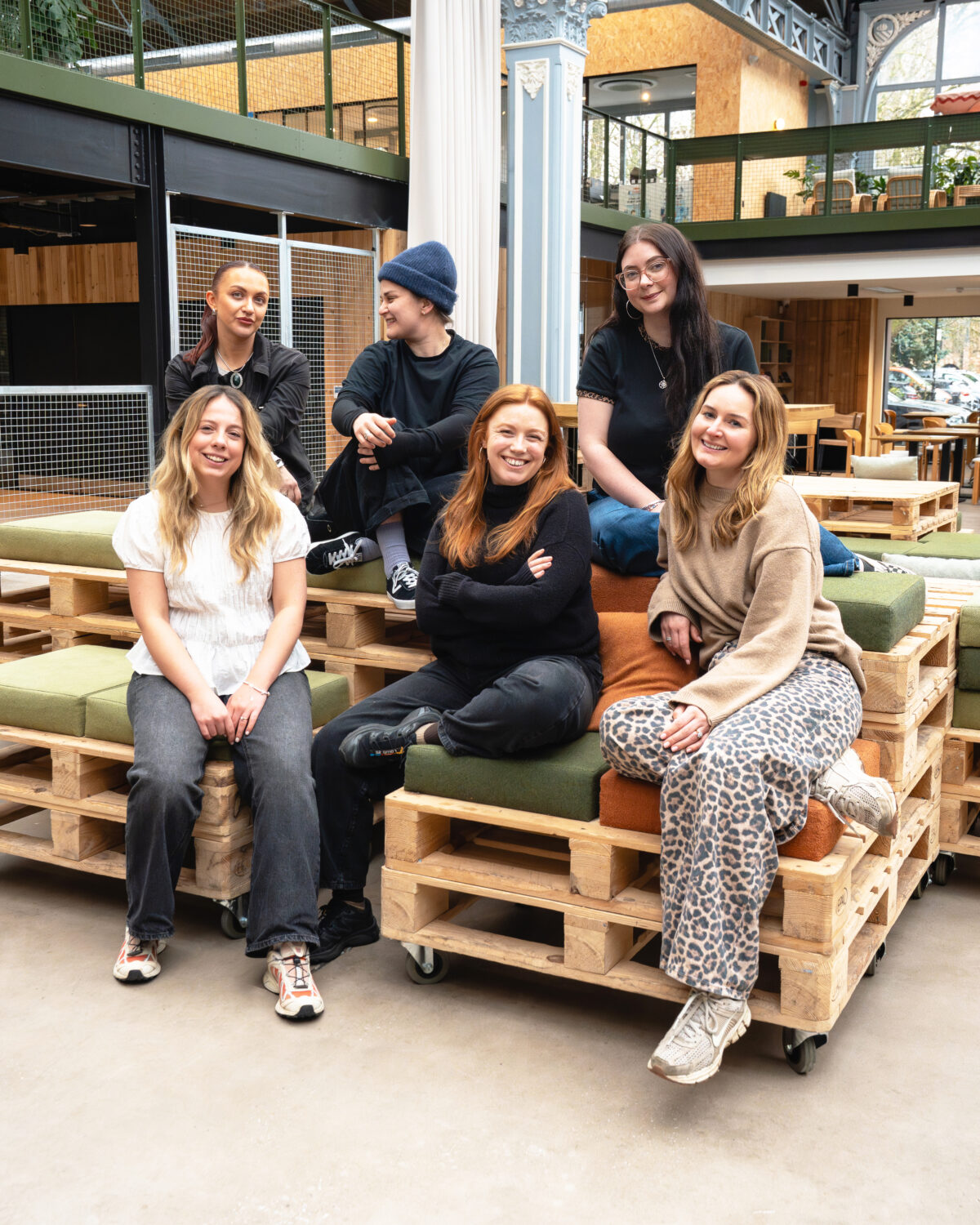
Above: our freelance team, who match talent with opportunity day in, day out.
They sourced, placed and managed over 17,000 days of freelance in 2025 alone. If you want support in finding reliable and talented flexible talent, reach out.