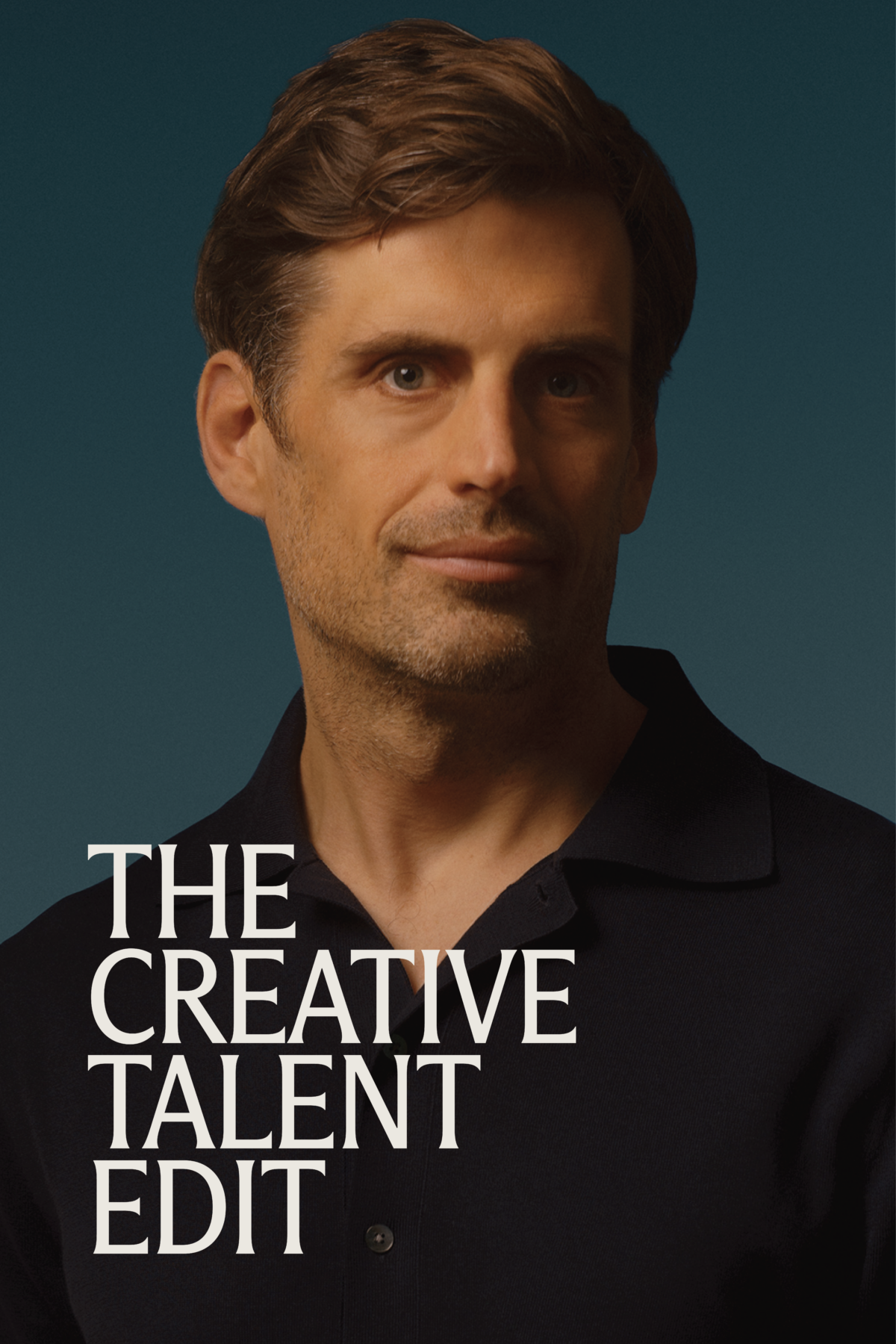
As job descriptions become longer and hiring processes more complex, companies risk overlooking talented people who don’t fit a carefully constructed ideal. Our Director Paula Carrahar explains why great hires are often found beyond the checklist.

Every client wants the perfect hire, and why wouldn’t they?
Hiring can be effort-draining and time consuming. Businesses are under pressure and teams are leaner than they used to be. Nobody wants to get a senior hire wrong and find themselves back at square one six months later.
After being in recruitment for more than 30 years, I’ve come to a slightly uncomfortable conclusion that some people won’t want to hear: the perfect hire doesn’t exist.
In fact, the harder a company searches for perfection, the more likely they are to miss out on someone brilliant. That ties in with one of the biggest changes that has come to a head in recent years.
There isn’t a lack of talent in the creative industries, but a lack of confidence in decision-making.
I see businesses spend months refining job descriptions, adding requirements, introducing additional interview stages and searching for someone who can somehow do everything. They want a creative leader who is strategic, commercial, operational, inspirational, hands-on, visionary and capable of transforming the business, and ideally, they want it all yesterday.
The trouble is that these people rarely exist. Or if they do, they’re probably already running their own company.
What often gets lost is the simple question: what does this business actually need right now? Not in five years and not in a fantasy version of itself, but right now.
I’ve always believed that recruitment is as much about understanding the company as it is understanding the role. Sometimes a partner will tell me they’re looking for one thing, but after a few conversations – and given the space to think – it’s clear they’re actually looking for something quite different.
This is where experience and instinct helps, because I can honestly say some of the best hires I’ve ever made didn’t look like obvious choices on paper. Many of the most successful creative leaders I’ve worked with are wonderfully unconventional people. Some hate presenting, others are extreme introverts. And there are a fair few who aren’t particularly polished in interviews and would probably admit they’re a little bit odd.
In my eyes, that can only be a good thing. After all, the creative industries would be incredibly boring if everyone looked and behaved the same.
Traditional hiring processes often reward polish rather than potential. What drew me to Craft in the first place is that our approach is anything but traditional.
A candidate who interviews brilliantly isn’t always the person who will build the strongest team. Equally, someone who seems slightly unconventional at first might turn out to be exactly the leader a business needs.
That’s why I still place so much value on meeting people properly, not just once and never just through a CV or a LinkedIn profile. I want to know what motivates them, what excites them, what frustrates them, what would make them stay in a role and, perhaps more importantly, what would make them leave.

The longer I do this job, the more convinced I become that successful hiring isn’t about finding the perfect person, but about finding the right person for a particular moment.
At executive level especially, culture and chemistry matter enormously. The people we hire shape teams and influence confidence in others. You can’t always spot that from a checklist, which is why businesses sometimes get stuck. They become so focused on eliminating risk that they stop making decisions altogether.
Meanwhile, the strongest candidates move on, because someone else sees their potential and makes the offer.
The irony is that the companies with the best outcomes are rarely the ones searching for perfection. They’re the ones that know themselves well enough to recognise a great opportunity when it appears.
It won’t always be obvious. It won’t always be neat. But then again, if it was, recruiting would be a lot easier than it is.
After 30 years of doing this, the best thing about the job is finding something special and deciding to trust it, even if it isn’t perfect on paper.