The ‘way in’ is being rebuilt. Are we on a track to The Last Junior?
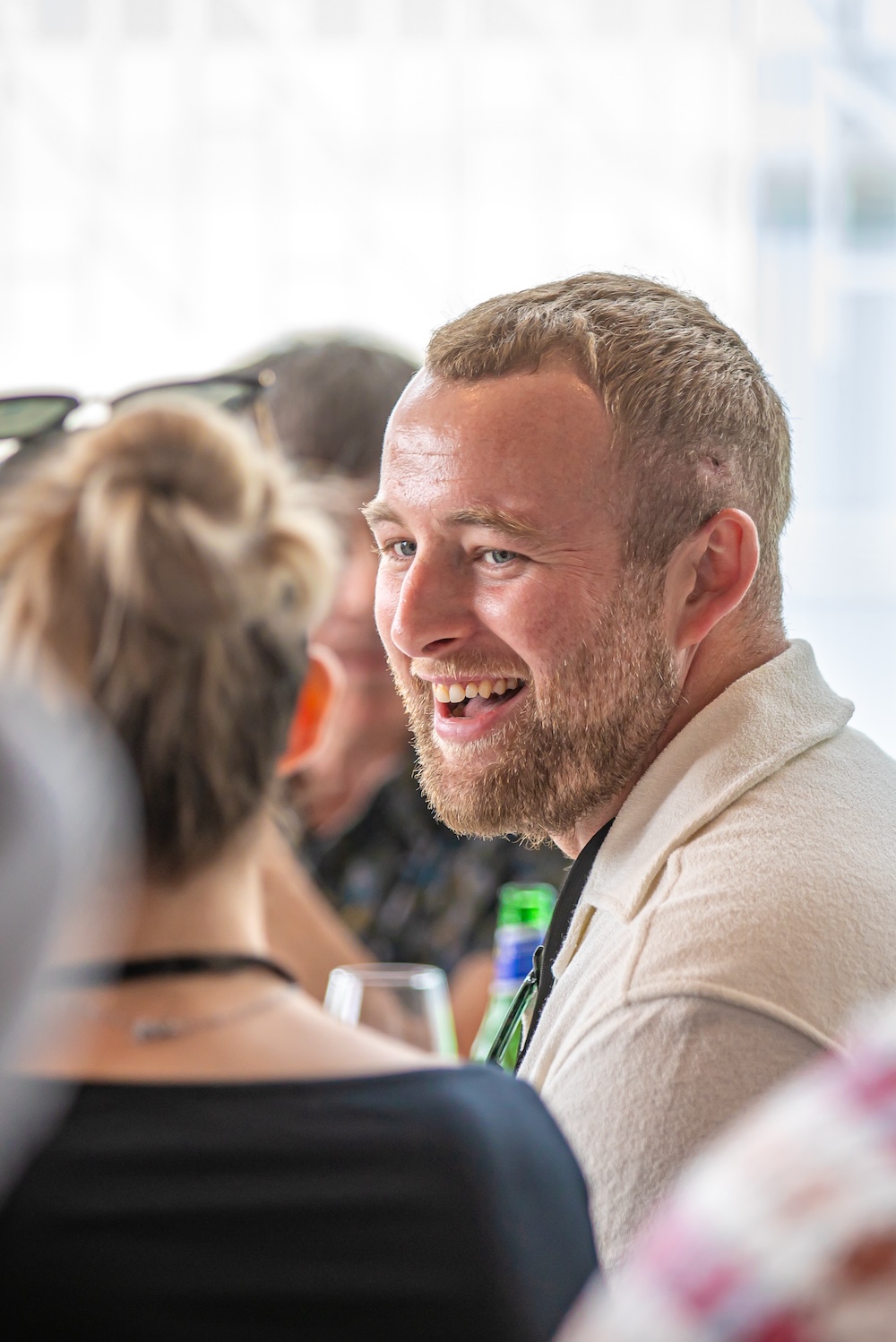
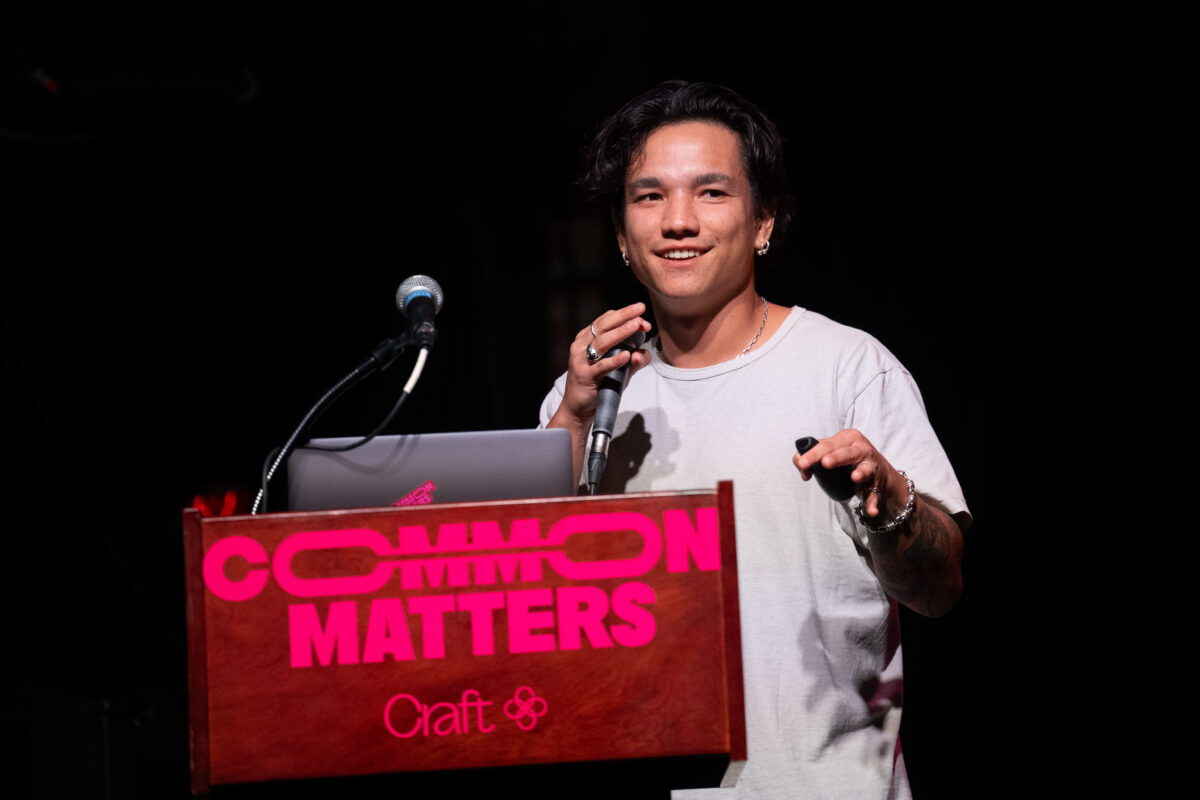
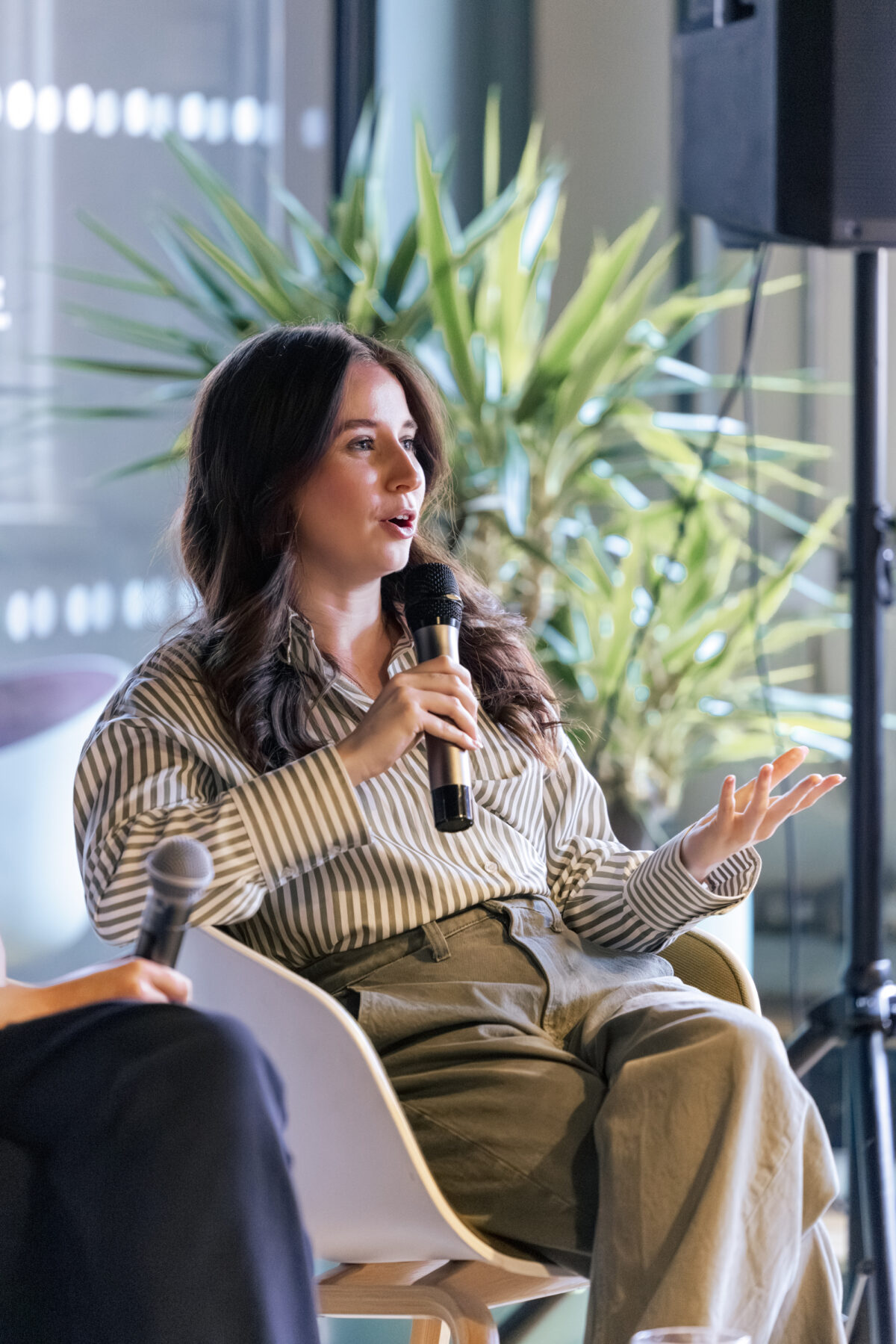
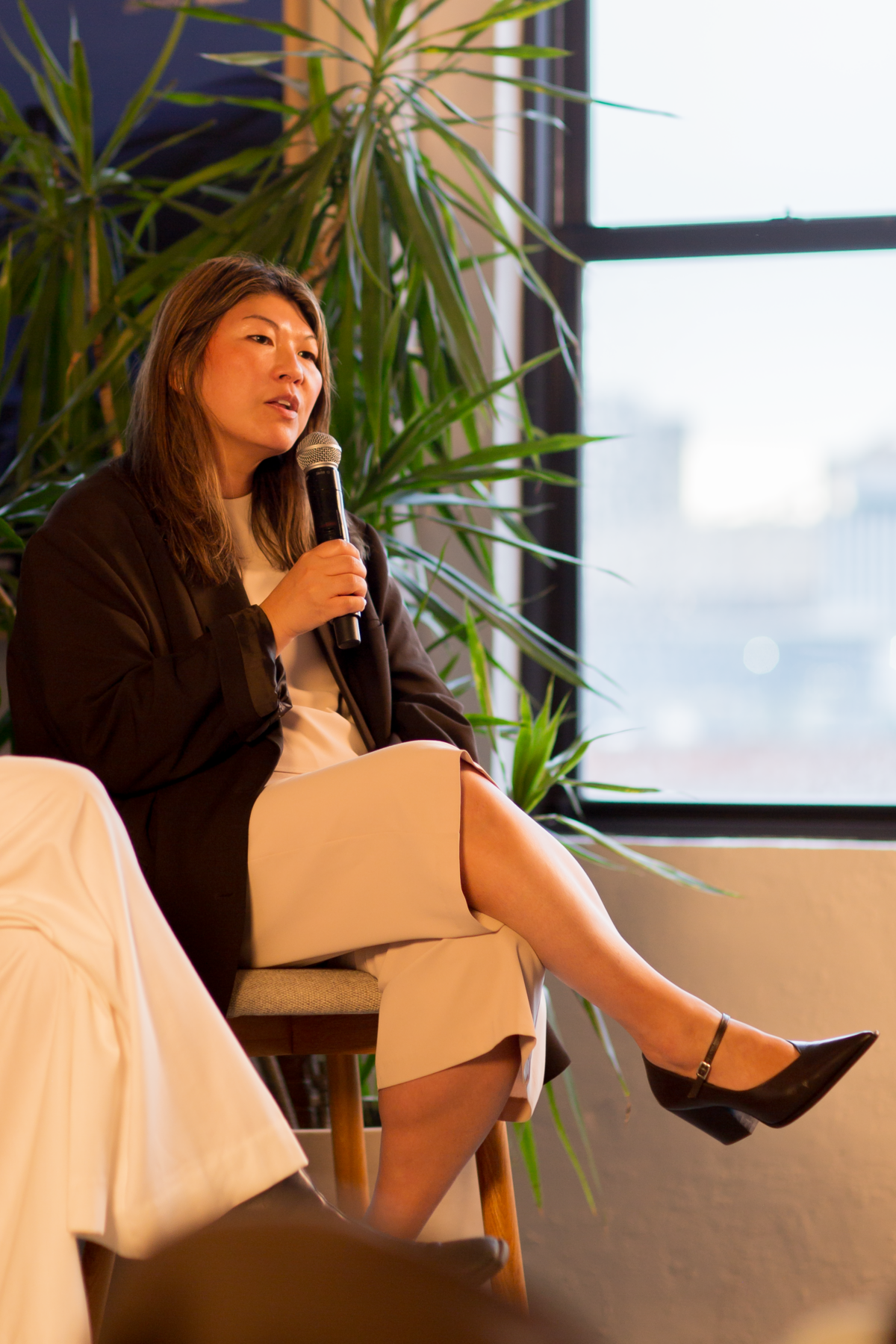
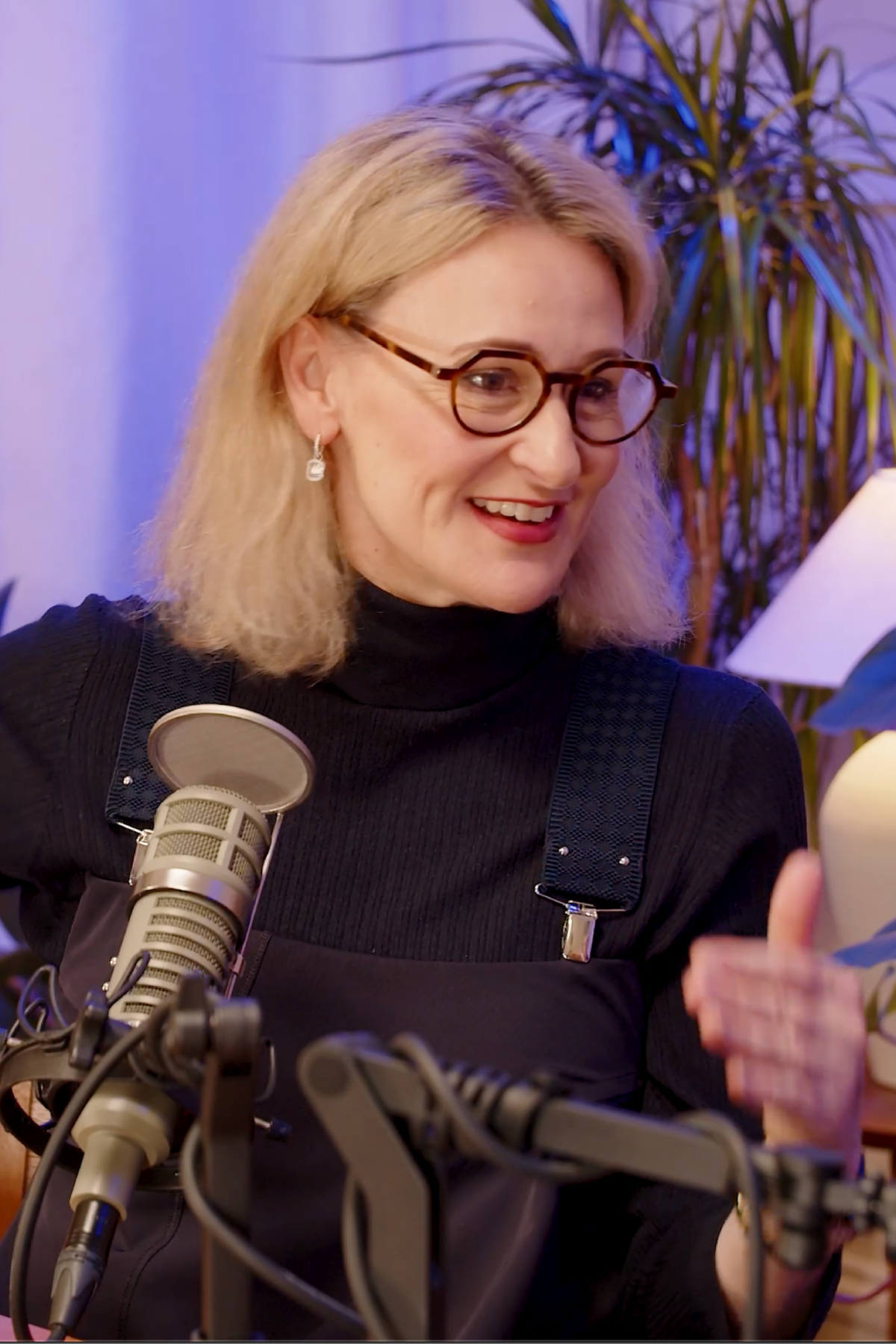
Last week our Brand and Marketing Director Daisy, joined a panel at Cannes to pull apart one of the biggest questions in the design industry: as AI absorbs the tasks junior creatives used to learn from, what happens to the route in, and to the people who were counting on it?
The session, hosted by Claire Blyth of Red Setter, brought together a fresh mix of perspectives: creative leaders rethinking how studios train the next generation, a recent D&AD Shift graduate living the new route in, and Daisy bringing the view from the talent market: who’s getting hired, who isn’t, and why.
Entry-level work across all industries is being redesigned, and creative careers are of course impacted. Our proposals, of how to fix this issue and retain a sustainable pipeline of talent, varied from a 1% shift to a radical new future. Somewhere in that middle, we know that studios are keen to make a difference, but many are time-poor and have other challenges to face into.

‘The Last Junior?’ panelists:
Daisy Crowder, Brand & Marketing Director at Craft
Emma Barratt, Global Executive Creative Director at Wolff Olins
Claire Robertshaw, Group Executive Creative Director at Design Bridge and Partners
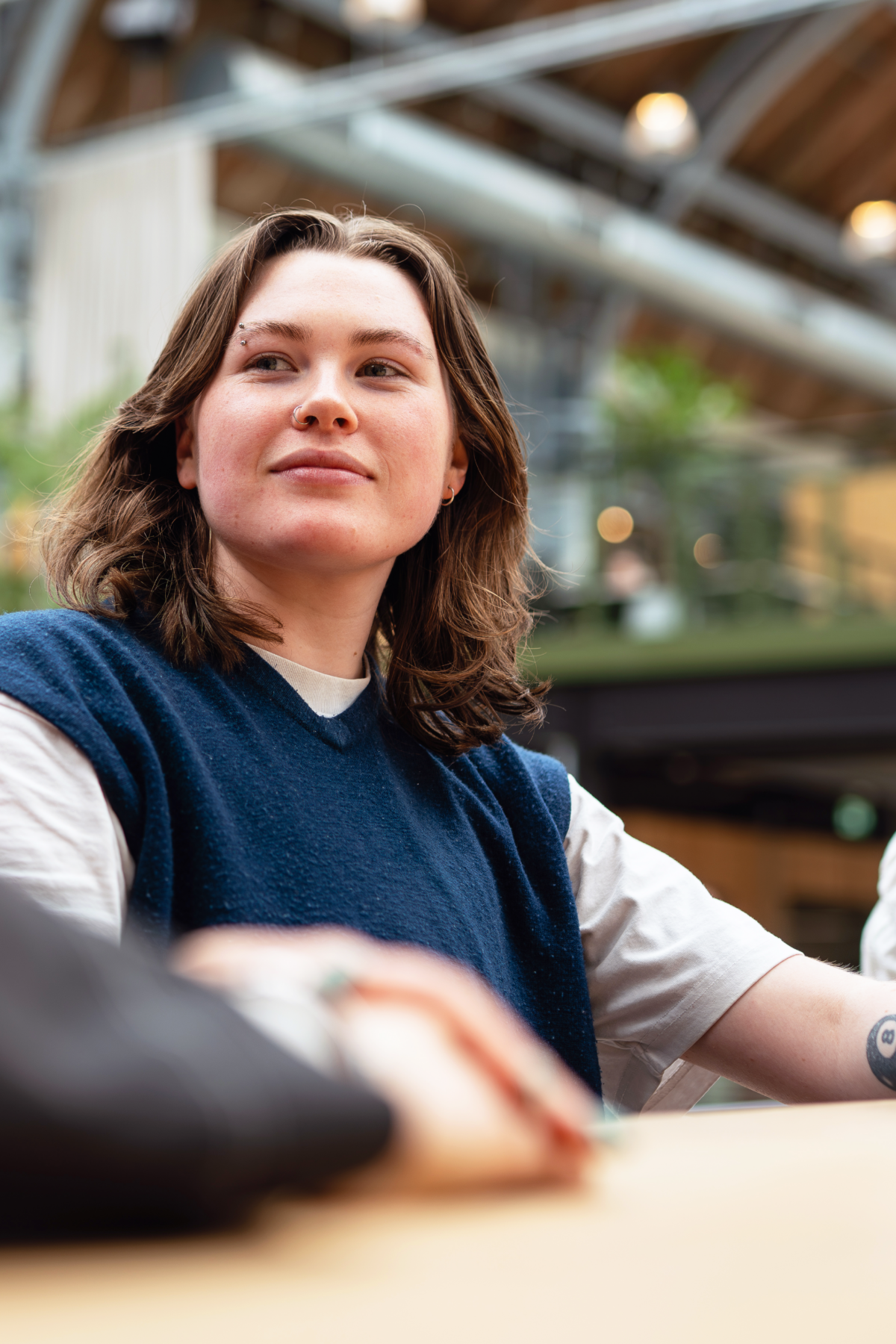
Shola Ladeji, independent creative and D&AD Shift alumnus
Claire Blyth, Managing Partner at Red Setter.
The issue of introducing new talent, and introducing it well, is not new. We’ve seen it before, for example a lack of trained juniors from the 2008 financial crash resulting in a lack of Design Director-level talent in 2014. Today, the impact of Covid lives on; missing the onboarding of a generation of junior designers in 2020 means there’s a midweight designer shortage now.
The market force of speed impacting studios today means studios have less time than ever to upskill new talent. We will see the implications later.
But who’s being impacted now? Daisy voiced her concerns around an exacerbation of issues that have largely been resolved but could rear their ugly head again.
For example, when knowledge is commoditised, we could shift back to a jobs market where who you know is more important than what you know. That could easily result in a market that removes those from a lower socioeconomic background from the conversation, and open up the London-centric divide in the UK industry once again.
“There are 24,747 agencies in the UK today. At an average size of 7.8 people, we all need to be aware of talent density.”

— Daisy Crowder
Brand & Marketing Director, Craft
Across the panelists, the passion was clear and the drive is real: we need to create an industry blueprint to make sure the right conditions exist.
The honest takeaway is that we can’t rely on education right now, and changing the curriculum will take a while, so it’s time for agencies to step up like we used to, and become a shared force of difference. Solving the wider issue isn’t the job of agencies, institutions or education alone. It belongs to all three.
But if you personally, or your business can, spare even a few minutes or days, please consider how you can show up for the future. If you want to help but don’t know where to start, please reach out to Daisy.