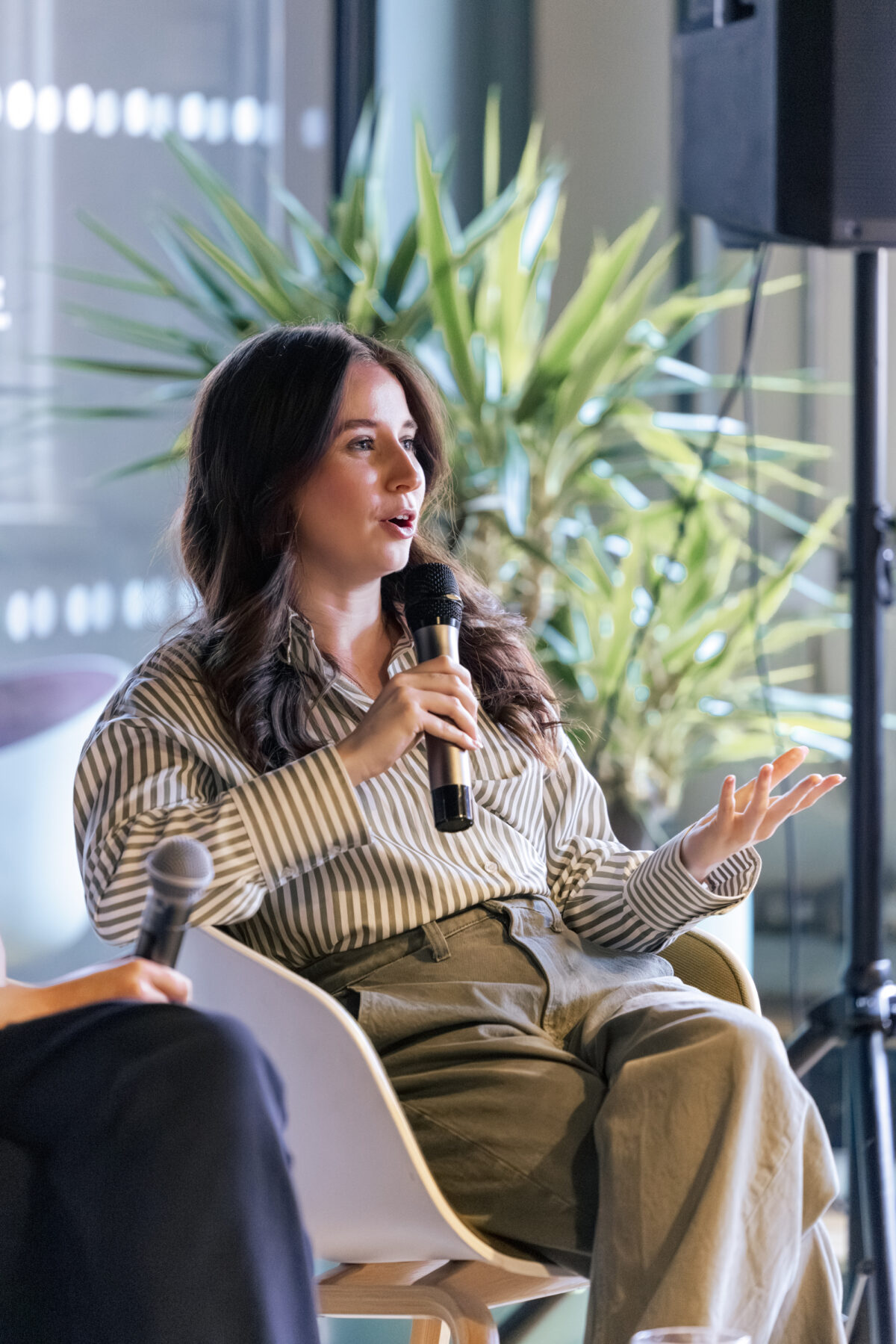
SXSW London landed with its second dose of provocation, big names, and ideas that are both six months ahead of the conversation and somehow already overdue.
From AI adoption and organisational change to brand discipline and cultural fluency, the sessions covered a lot of ground, so we’ve done the work of distilling it for the design thinkers and creative leaders who deserve to be in the know. Here are the moments worth your time, brought to you by our Brand & Marketing Director, Daisy.
The headlines:
- Why your team isn’t using the AI tools you’ve adopted
- The ‘missing’ demographic our brands should be engaging with
- Things things Silicon Valley startups do that your business should be doing
- How to write an SLA that means something
- Ready yourself for full brand immersion – by staying still
- Brands are a participant in culture, not a creator of it
- What Sir John Hegarty thinks about AI
“Employees are 3.5x more likely to use AI at work if they trust their employer”

— Becky Skiles
Partner at Deloitte Digital
We're all missing the Missing Men
The Missing Men report by Elvis unearthed a huge demographic that brands are wary of, but need to learn to have a laugh with. Why? Because the characterisation of people (sterotyping) is easy – but being the everyman speaks to nobody.

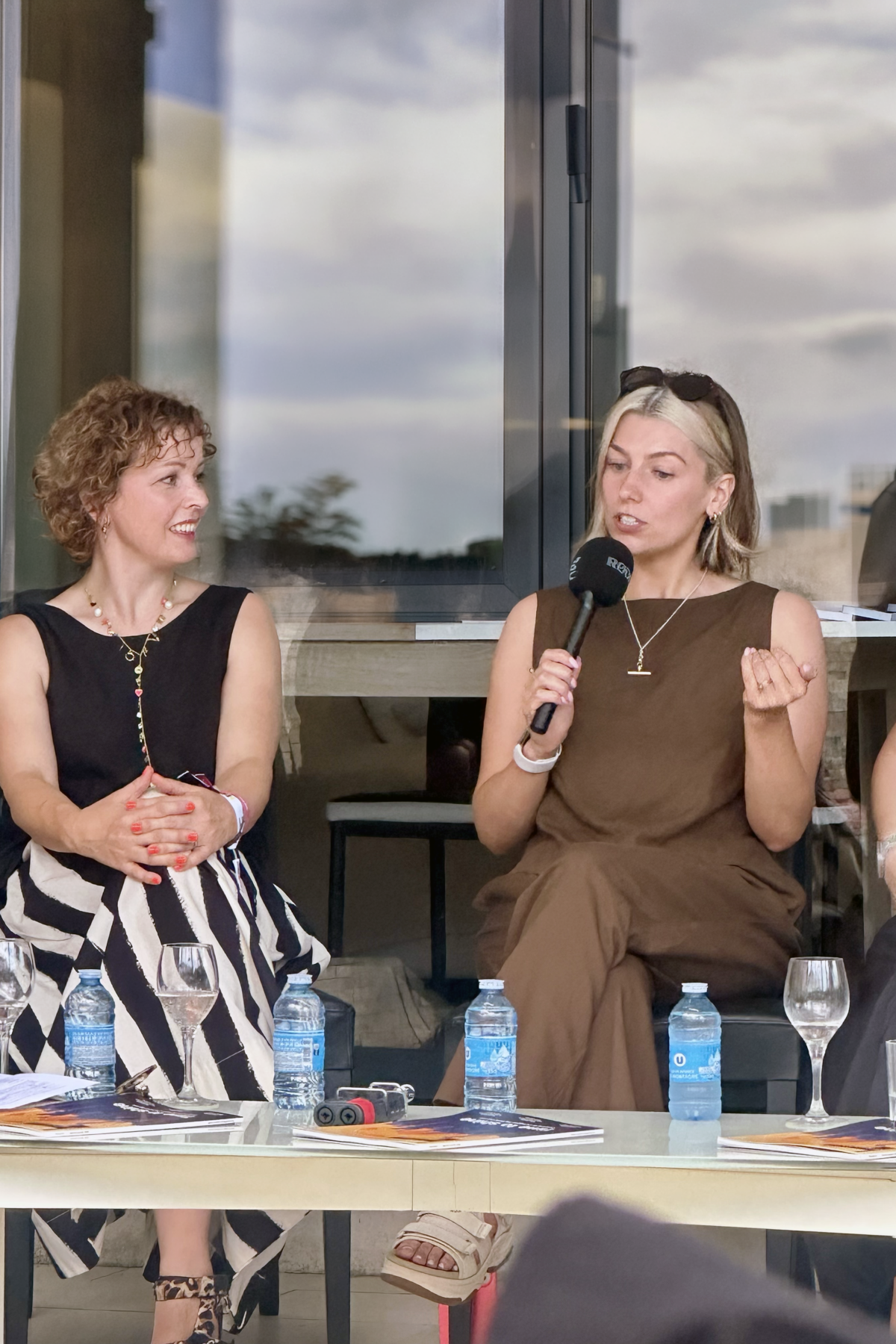
’The Missing Men’ panel was hosted by Will Barren, Elvis, and featured Ben Curtis, Global Brand VP at Unilever, Steven Lacey, Founder & Managing Director at the Outsiders, and Pete Wicks, Broadcaster & host of Man Made podcast
Download the Missing Men report
The mass-market men hiding in plain sight.
54%
of the 100 most valuable public companies worldwide are on on the West Coast - compared to 10% 25 years ago.
Things things Silicon Valley startups do that you should be doing
What does US startup culture have to do with the way I run my agency? A LOT. Or at least, they should.
Clearly, these businesses know what’s up when it comes to scaling at speed, adapting through change – and growth.
- Plan a little, iterate a lot. Goodbye, waterfall process AKA project planning. It’s slow, and you don’t learn anything)
- Encourage lead-user bottom-up innovation. That means listening to consumers, and changing things as often as they need to be changed.
- Stop flying blind. Look; people saw what the Wright brothers did and immediately started building 100 different variations on the aeroplane without their knowledge. Scary? Yes. Efficient? No.
‘How We Need to Change Organisational Change in the AI Era’ by Andrew Mcafee, Principal Research Scientist at MIT Sloan School of Management
Make your contracts work harder
Not just in a commerical sense – in every way. Check out this 65-year-old agreement between DDB and their client Avis.

‘Confessions of the Dull’ Adam Morgan, Founding Partner at eatbigfish
Ready yourself for full brand immersion - by staying still
We’ve created through the era of identity, of experience – now we’re in the era of immersion.
How to ready ourselves? Know when not to change.
Proof of that is a brand we all know, and all drink. 2.2 BILLION Coca-colas are sold every single day – and the logo has remained the same for 140 years. A coincidence? Not according to the VP…
“An iconic brand only remains iconic because of a history of discipline.”

— Rapha Abreu
Vice President of Global Design at the Coca-Cola Company
“Consistency builds recognition. Recognition builds trust.”

— Sam Smith
Executive Business Director at Jones Knowles Ritchie
‘Design the Experience: Score the Emotion’ with Sam Smith, Executive Business Director at Jones Knowles Ritchie, Rapha Abreu, Vice President of Global Design at the Coca-Cola Company and Rick Sellars, Head of Creative Direction at Massive Music
Brands are a participant in culture, not a creator of it
How many of your briefs include the desire to create culture? Yes.
But that’s simply not possible – and consumers don’t want it. This discussion on Cultural Fluency highlighted six principles for brands to play a relevant role in culture:
- Brands don’t build culture, people do.
- Share of value beats share of voice.
- Consistency over impact.
- Culture makers know more about culture than marketers do.
- Build journeys, don’t exploit them.
- In the age of AI, humanity is a competitive advantage.
Examples? Red Bull don’t ‘own’ extreme sports – subcultures that have existed for decades – but they do play an active role in hosting and facilitating the community.
Absolut have been a positive voice in LGBTQ+ culture for decades, championing queer talent and artists, not just posting during Pride Month!
‘Cultural Fluency’ with Chris Moody, Executive Creative Director at Landor, and Debasree Dasgupta, Chief Marketing Officer at Pernod Ricard
“Culture is not owned by brands. Culture is owned by people.”

— Debasree Dasgupta
Chief Marketing Officer at Pernod Ricard
AI: the headline
Finally, how can I summarise the overall narrative of AI from the many, many talks about it?
I’ll let Sir John Hegarty take that one: